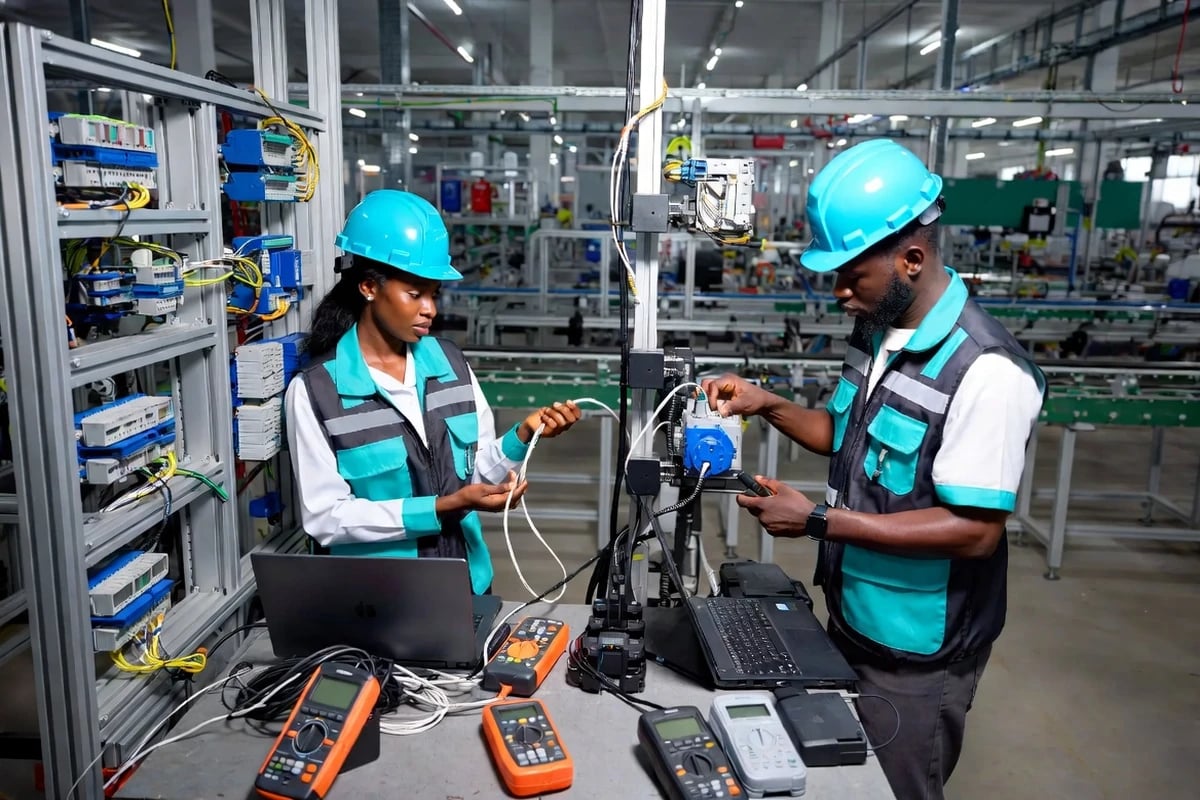
Systems Integration
Integration of automation technologies into existing production and logistics infrastructure, with commissioning discipline and validated performance at each stage.
What Is Systems Integration — and RoboHub Africa’s Role In It?
Systems integration is where discrete automation technologies are made to work as one — and to be clear about our lane before anything else: RoboHub Africa provides integration advisory, oversight and vendor-neutral coordination — and managed integration as a service — not a single-vendor build or install pitch. We define the architecture, coordinate the parties and validate the outcome for manufacturers and institutions across Ghana and Togo, vendor-neutral. Book a readiness assessment — or request an automation advisory: +233 20 531 3333.
What Is Systems Integration?
Systems integration is the discipline of connecting discrete automation technologies — sensors, controllers, conveyors, robotic cells, SCADA interfaces, ERP data feeds, and process instrumentation — into a single, coherent operational environment. Rather than treating each technology as an isolated installation, integration work ensures that every component communicates reliably, that data flows without interruption across the production or logistics chain, and that the assembled system behaves as its designers intended under real operating conditions.
Organisations that specify systems integration are typically those expanding existing infrastructure rather than building from a clean slate: manufacturers in Tema Industrial Zone adding robotic pick-and-place to a partially manual line, logistics operators in Accra upgrading warehouse management with automated sortation, or food producers in Greater Accra Region connecting cold-chain monitoring to a central supervisory dashboard. The specification is made when incremental technology adoption has reached the point where component-by-component management is no longer viable and a unified, governed system is required.
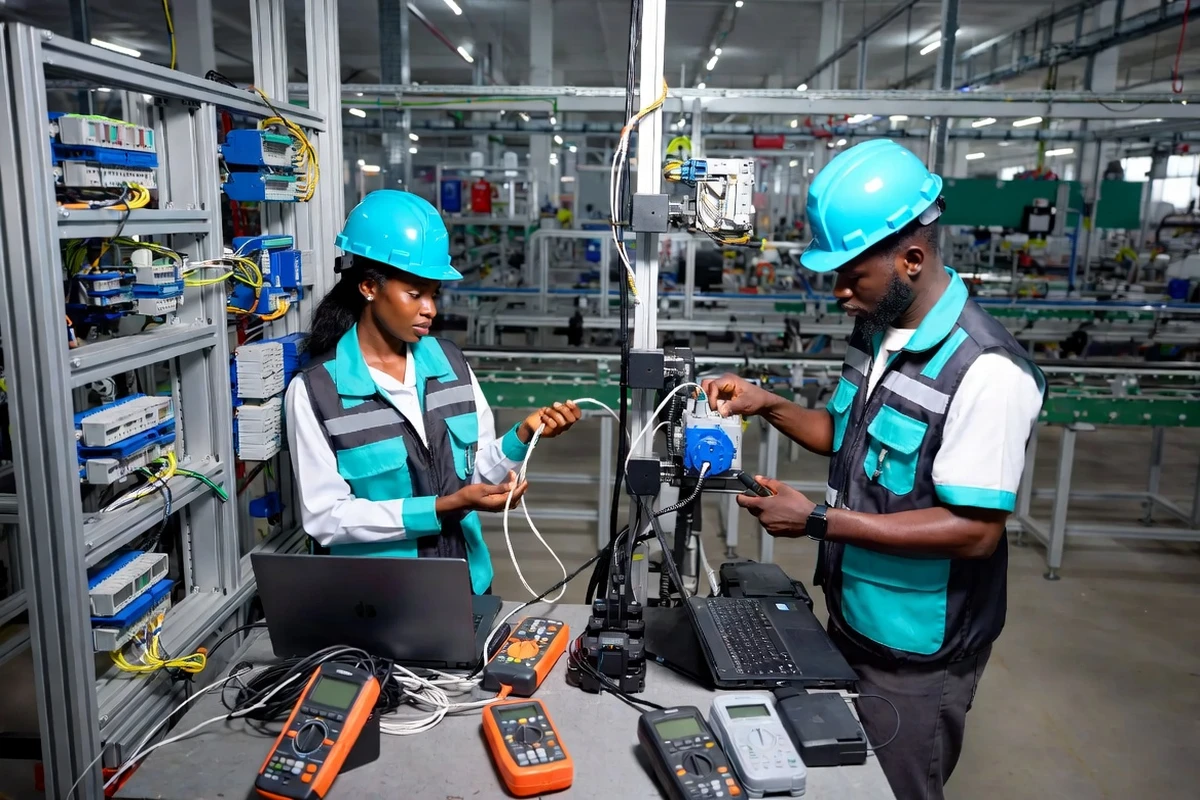
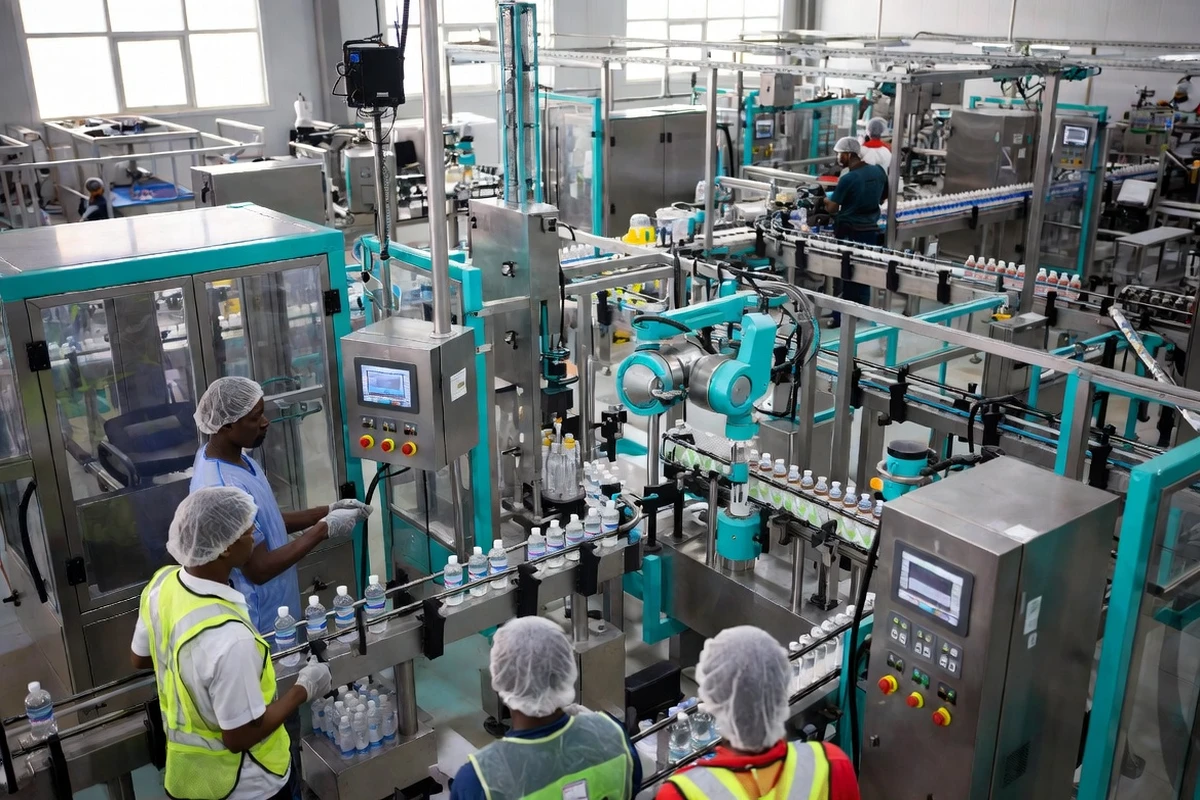
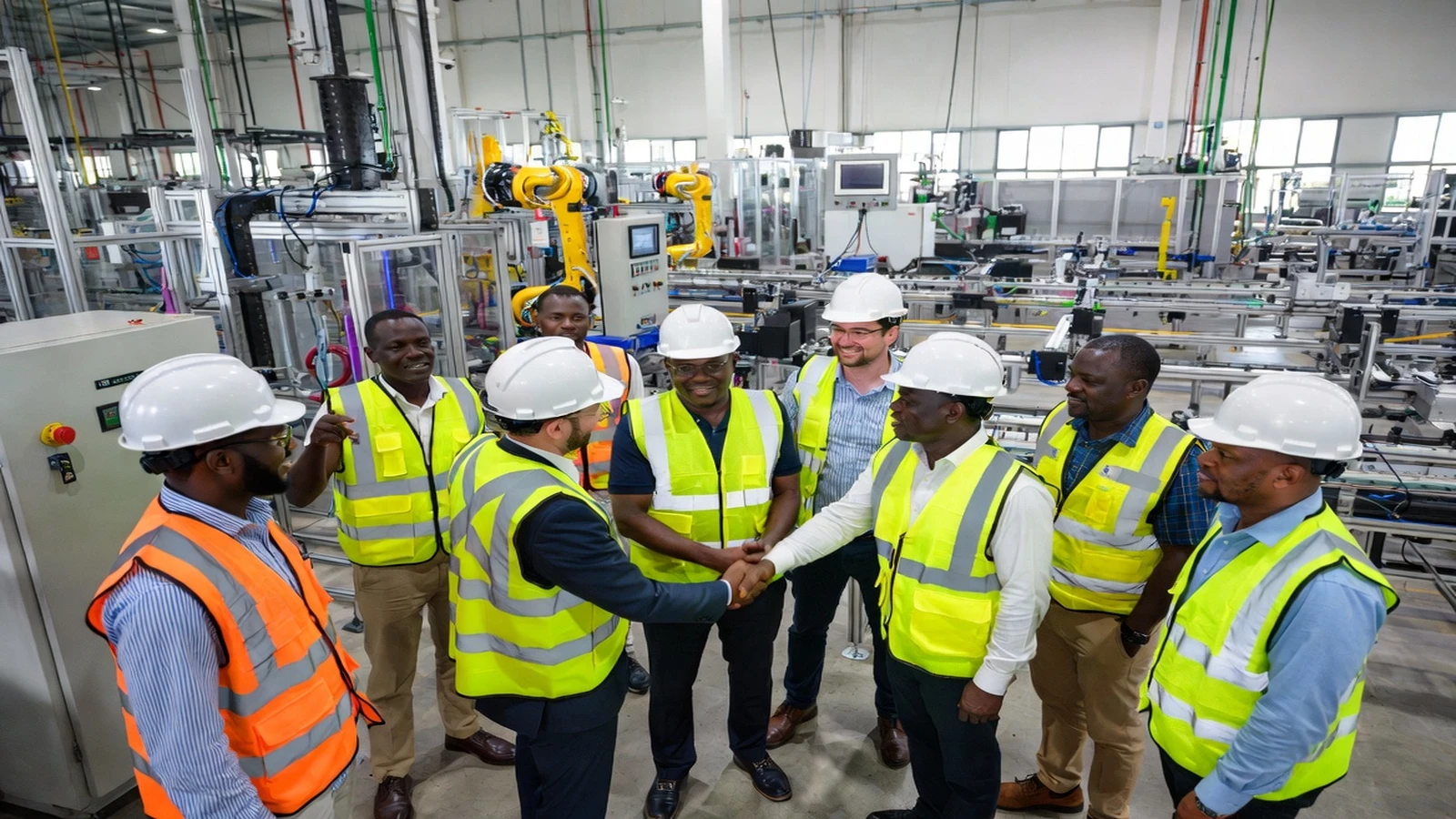
When to Specify Systems Integration
Integration becomes the critical discipline at the moment a facility holds two or more automation technologies that do not yet speak to one another — or where newly commissioned equipment must be onboarded into an existing operational framework without disrupting throughput. Manufacturers, logistics operators, healthcare facilities, and food producers across Ghana and Togo regularly encounter this threshold when capital projects introduce modern PLCs, vision systems, or automated guided vehicles alongside legacy control infrastructure.
Project types that most frequently require this service include production line modernisation, warehouse automation rollouts, laboratory automation in healthcare and research facilities, and multi-site supervisory control harmonisation. In each case, the value of individual technologies is only fully realised when those technologies operate as a disciplined whole.
Methodology — The RoboHub Africa Specialist Approach
-
Systems Audit and Architecture Definition — Specialists conduct a structured audit of all existing automation assets, communication protocols, and data architectures on site, producing a verified integration map before any active work commences.
-
Integration Design and Protocol Alignment — An integration design is authored specifying communication standards, interface requirements, and data exchange logic across all connected components — ensuring legacy systems and new deployments share a common operational language.
-
Staged Commissioning — Integration is executed in defined stages, bringing subsystems online sequentially so that each connection is validated before the next is initiated, preserving operational continuity throughout the process.
-
Performance Validation — Each integrated stage undergoes structured validation against the agreed performance baseline — testing communication latency, control response, data integrity, and failover behaviour under representative load conditions.
-
Handover and Operational Enablement — On confirmed performance sign-off, a structured handover is conducted with the client’s operations team, including documented system architecture, parameter baselines, and escalation protocols for ongoing managed support.
Technology & Governance Standards
- Communication protocol alignment across PLC, SCADA, MES, and ERP layers
- Structured documentation of all integration interfaces and control logic
- Validation testing against client-specified performance baselines at each commissioning stage
- Change-managed deployment discipline to protect live production continuity
- Governance frameworks calibrated to the regulatory and quality requirements of food production, healthcare, and industrial manufacturing contexts in Ghana and Togo
Outcomes
A successfully integrated system eliminates operational silos, consolidates supervisory visibility, and enables data-driven decision-making across the full production or logistics environment. Clients report sharper throughput visibility, reduced manual reconciliation between systems, and a stable platform from which further automation can be introduced without architectural rework. Ongoing managed support engagements extend the value of integration work by ensuring that system performance is monitored, maintained, and optimised as operational demands evolve.
Related Sectors and Solutions
Systems integration advisory is foundational to several adjacent RoboHub Africa engagements — advisory framing, managed support and capability-building around the integrated whole.
Related Services
- Automation Advisory & Provisioning — strategic framing ahead of integration scope
- Managed Automation Support — post-integration monitoring + maintenance
- Technology Sourcing & Fulfilment — the right system, vendor-neutral
- Industrial Automation Advisory & Managed Support — the full advisory + lifecycle picture
Advisory to Standard
- We advise and coordinate to recognised practice — IEC 61131-3, ISA-95, OPC UA / fieldbus interoperability, ISO 10218-2 / ISO 12100 and IEC 62443 (OT cybersecurity) — described as the framework we work to, with certifications and OEM-partner badges claimed only where actually held, and within Ghana’s Factories, Offices and Shops Act 1970 (Act 328) / DFI safety regime
- Vendor-neutral — our architecture, coordination and validation serve your interest, not a single vendor’s
- Established 2020 — a real automation advisory & managed-support partner, not a consumer-robotics or software-RPA vendor
- Integration advisory and managed coordination are scoped and quoted per engagement — there is no flat published rate, and we never quote an invented figure